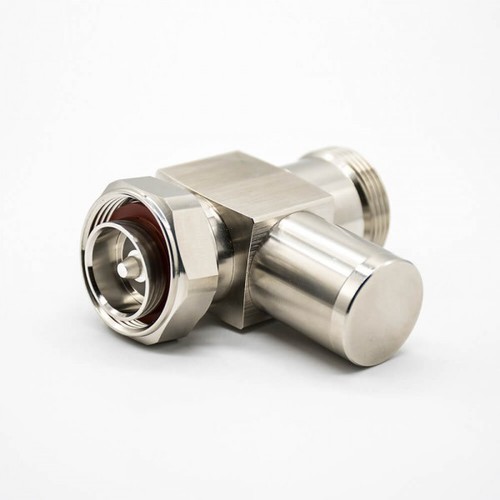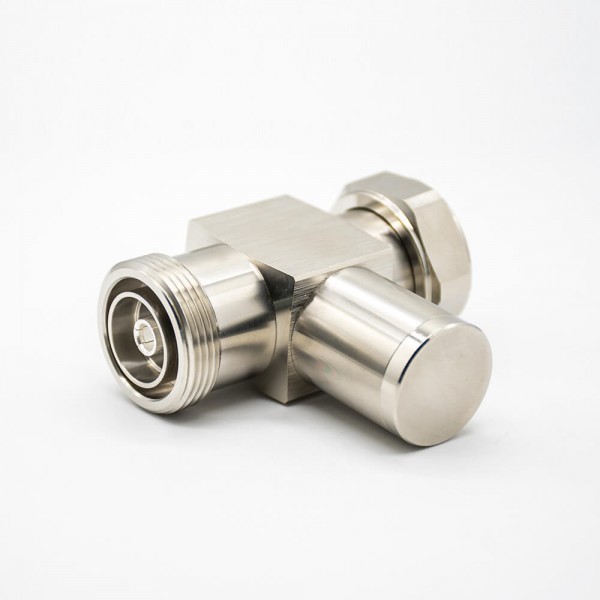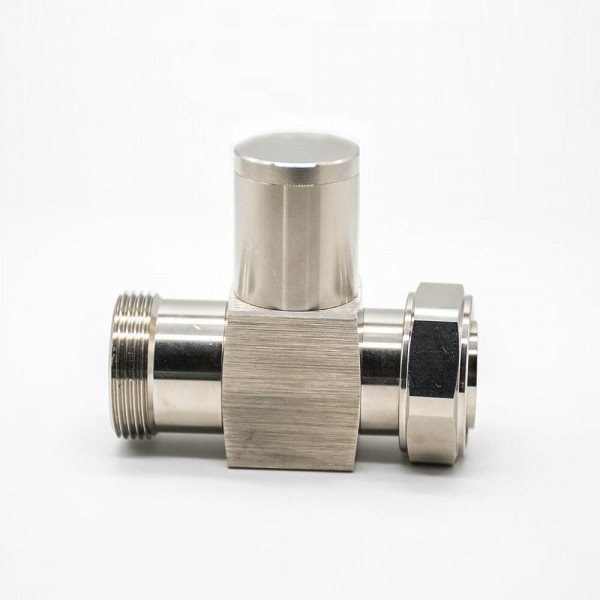
About Coaxial RF Lightning Arrester DIN Male Butt-Joint Female T Type IP67 Straight Nickel Plating
Description:Coaxial RF Lightning Arrester DIN,Female DIN,Male Straight Nickel Plating
Product features:
- Coaxial RF Lightning Arrester DIN,Female DIN,Male Straight Nickel Plating
- Special shielding design, excellent surge performance, can withstand multiple lightning strikes;
- Excellent passive intermodulation performance, excellent rf performance in the whole working band and superior power processing capability
- Bi-directional protection DC Pass;
- From the OEM Original Factory, same quality with much better price.
Appliance:
- 3G/4G/LTE Cellular Modems
- Routers
- Boosters/Amplifiers
- 2.4&5GHz WiFi Access Points
- other Sensitive Communications Devices
Advanced RF Surge Protection for Outdoor ReliabilityEngineered for outdoor and challenging settings, this arrester delivers IP67-rated water and dust protection. Its nickel-plated brass construction and PTFE insulation ensure excellent mechanical strength and stable operation over a wide temperature range. Ideal for telecom base stations, wireless systems, and antennas, it integrates seamlessly with DIN-standard, T-type connections for quick installation and dependable performance.
Efficient Performance with Minimal Signal LossThe lightning arrester boasts a low insertion loss (0.2dB) and VSWR (1.2), maintaining the integrity of your RF signal across DC to 3GHz. The DC pass design supports continuous signal transmission and power delivery up to 200W, suitable for critical communication and broadcasting infrastructure.
Easy Maintenance and Flexible InstallationFeaturing a replaceable gas discharge tube (GDT), maintenance is convenient and cost-effective. Designed for threaded DIN male to butt-joint female connections, it can be installed inline or mounted on panels, delivering versatility for numerous RF applications in outdoor environments.
FAQ's of Coaxial RF Lightning Arrester DIN Male Butt-Joint Female T Type IP67 Straight Nickel Plating:
Q: How is the gas discharge tube (GDT) replaced in this lightning arrester?
A: The arrester is engineered with an accessible structure that allows fast replacement of the gas discharge tube. Simply unscrew the housing as per the provided instructions, remove the old tube, and insert the new one to restore protection without specialized tools.
Q: What are the key benefits of using the IP67-rated lightning arrester for outdoor RF systems?
A: Its IP67 rating guarantees resistance to water and dust, making it ideal for outdoor applications like base stations, antennas, and broadcast infrastructure. It maintains reliable performance in harsh weather conditions, safeguarding sensitive RF equipment from lightning surges.
Q: When should the lightning arrester be installed in an RF system?
A: It should be installed prior to or during deployment of RF systems prone to lightning exposure-typically on antenna feeders, telecom stations, or any outdoor RF cabling. Early installation provides immediate surge protection to vital communication equipment.
Q: Where can the DIN Male Butt-Joint Female T-Type arrester be mounted?
A: The arrester features flexible mounting options: it can be installed inline with coaxial cables or securely mounted onto a panel, accommodating varied system configurations and installation needs.
Q: What is the process for installing this lightning protection device?
A: Installation involves connecting the arrester between the feeder and equipment using the threaded DIN male and butt-joint female connectors. Ensure proper tightening, maintain straight alignment, and verify the integrity of the panel or cable mount to uphold IP67 protection.
Q: What usage scenarios suit this coaxial RF lightning arrester best?
A: It is best used in RF and telecommunication systems exposed to outdoor lightning risks: radio frequency feeders, wireless base stations, broadcast infrastructure, and antenna installations requiring stable, surge-protected connections.
Q: How does this arrester minimize signal loss while providing surge protection?
A: With an insertion loss 0.2dB and VSWR 1.2, the arrester is optimized to ensure signal quality remains uncompromised during protection against lightning surges-making it suitable for high-frequency, high-performance RF systems.