About SMB Connector Plug Solder Type For Semi Rigid Cable
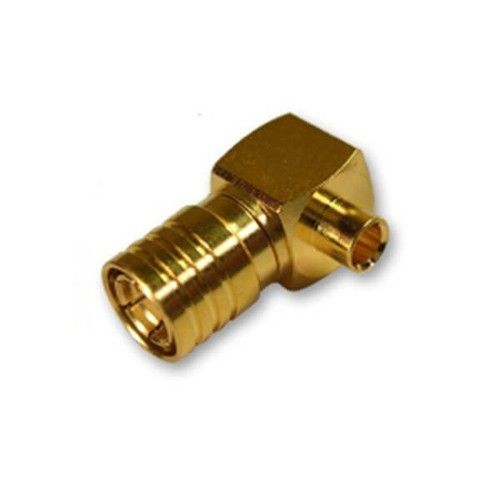
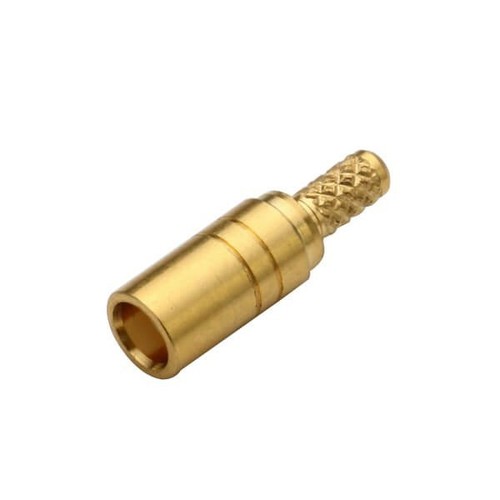
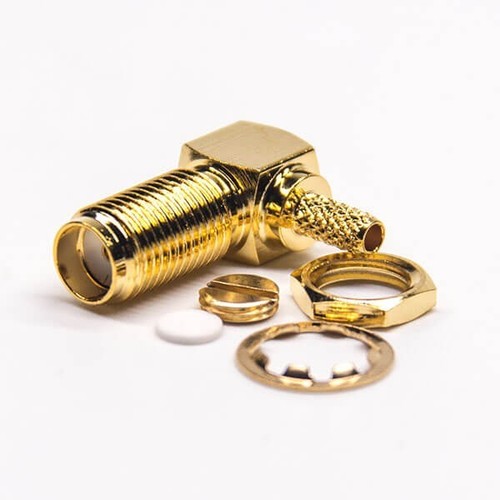
Description: Cable Connector,plug/male, Straight/180, 50,Solder Type
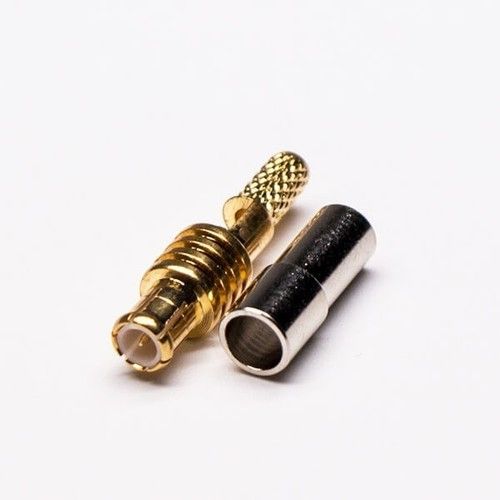
Accessories: insulator+cover
Features:
- Cable Connector,plug/male, Straight/180, 50, Solder Type;
- Snap-on coupling design for fast installation;
- With boardband performance and low reflection;
- To reduce your Cost by using die casting process in non-critical areas.
- From the OEM Original Factory, same quality with much better price.
Main Application of SMB Connectors:
- Aerospace and Defense: Test Stands
- Medical: Telemetry
- Commercial Vehicle: GPS
- Telecommunications: Wireless Base Stations, Cellular Mobile System
- Data/Communications: Routers, WIFI, Radio Boards
- Industrial: M2M Communications, Process Controls, Video Systems,Instrumentation
-
High-Frequency Performance and ReliabilityEngineered for frequency ranges up to 4 GHz with a VSWR of 1.3, this SMB connector plug ensures minimal signal loss and consistent performance. The gold-plated brass contacts and PTFE insulation deliver outstanding connectivity and low resistance, essential for demanding RF and microwave applications.
User-Friendly Assembly and VersatilityWith a solder type configuration suitable for semi-rigid cables, this connector allows for a secure and stable connection. The quick snap-on coupling makes mating and de-mating rapid, supporting more than 500 cycles. Its design fits diverse RF uses from antenna connections to advanced test setups.
Compliance and Environmental ConsiderationsManufactured to IEC 60169-10 standards and fully RoHS compliant, these connectors meet global requirements. Packaging options include polybags or trays based on order volume, catering to needs from small businesses to large-scale installations, and ensuring product safety during transit.
FAQs of SMB Connector Plug Solder Type For Semi Rigid Cable:
Q: How is the SMB connector plug installed on a semi-rigid cable?
A: The SMB connector plug is designed for solder-type installation onto semi-rigid cables such as RG-402 or RG-405. Proper cable preparation involves cutting the cable to length, stripping the jacket and dielectric as per dimensions, and soldering the center pin and outer braid to the connector. A reliable solder joint ensures optimal electrical performance and mechanical strength.
Q: What applications benefit from using this SMB connector plug?
A: This connector is ideal for RF and microwave applications, including antenna connections, base station links, wireless communication systems, RF circuits, and test instrumentation. Its high frequency range, low VSWR, and robust mechanical properties make it suitable for both industrial and laboratory environments.
Q: When should I choose this solder type SMB connector over crimp or clamp types?
A: Choose the solder type SMB connector when working with semi-rigid cables that require a permanent, high-integrity RF connection. Solder joints provide lower resistance and better shielding continuity compared to crimp or clamp styles, especially beneficial in high-frequency and sensitive measurement setups.
Q: Where is this SMB connector most commonly used?
A: It is commonly used in RF and microwave assemblies, telecom infrastructure, communication equipment, test and measurement devices, and antenna systems. Its compact design and reliable coupling are advantageous in space-constrained or high-density installations.
Q: What are the main benefits of this connectors design and material?
A: The connector features a gold-plated brass body and center pin, providing excellent corrosion resistance and superior RF performance. The PTFE insulation guarantees high voltage resistance and stable operation across a wide temperature range, ensuring longevity and consistent performance under demanding conditions.
Q: How does quick push-on coupling enhance the usage process?
A: Quick push-on (snap-on) coupling allows fast and tool-free mating and de-mating, streamlining assembly and maintenance routines, especially where frequent connections or reconfigurations are needed. This enhances productivity and reduces wear associated with threaded connectors.





 Send Inquiry
 Get Latest Price

