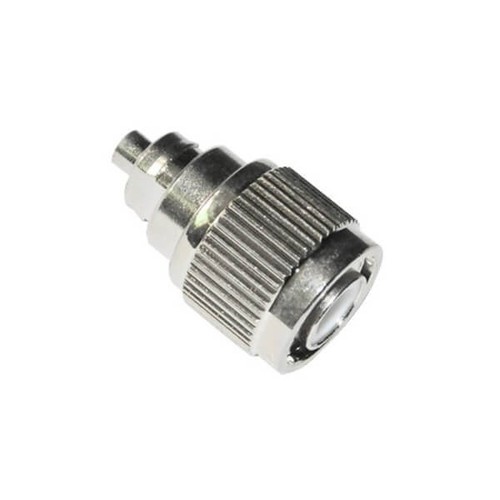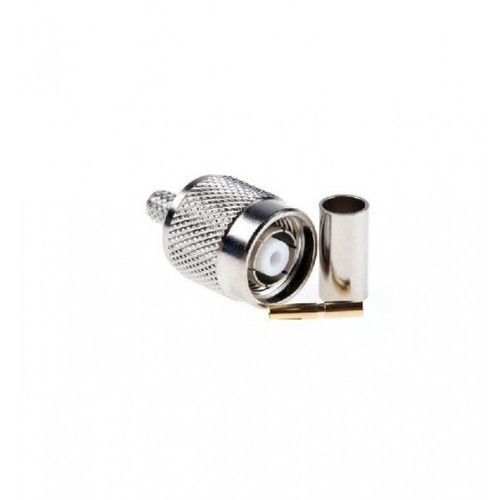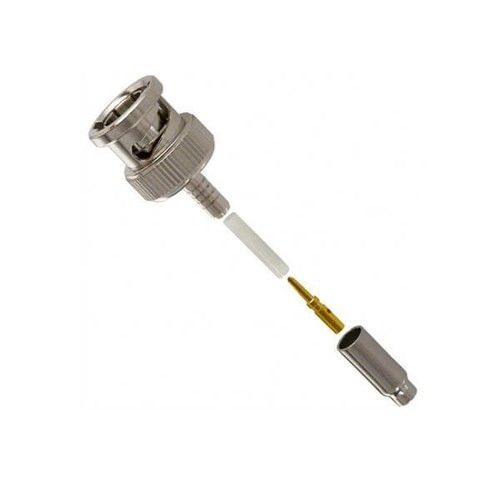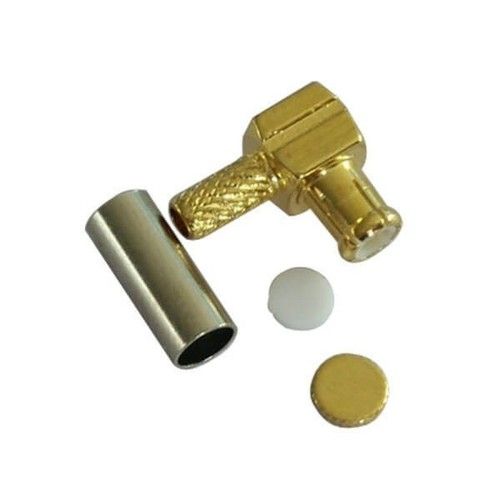
TNC Male Connector RG58 Straight Solder Type For Cable RG59 About
Description: Cable Connector, plug/male, Straight/180,50, Crimp Type, RG58, RG59
Features:
- Cable Connector, plug/male, Straight/180, 50, Crimp Type, RG58, RG59;
- Thread Version of BNC used in Vibration-Intense application with high durability;
- Higher Performance than BNC with 0-11 GHz Microwave frequencies and 50 ohm impedance;
- From the OEM Original Factory, same quality with much better price.
Main Application of TNC Connectors:
Cellular Mobile Phones, Aviation Controls, Telemetry,Bluetooth and GPS, Wireless Base Station, Microwave Comonents, Radar,Networks,Antenna Mounts, Machine to machine communications, Security Devices,Instrumentation.
Superior Connection QualityThe gold-plated center pin and nickel-plated brass construction deliver excellent conductivity and resistance to corrosion. PTFE insulation safeguards signal integrity, supporting precise transmission with a return loss of 15dB at 1GHz. High durability ensures over 500 secure mating cycles for dependable long-term use.
Flexible Installation OptionsFeaturing a straightforward solder-type termination and threaded locking, this connector is ideal for RG58 and RG59 cables in a cable mount configuration. Customizable length options per cable requirements enhance adaptability for unique setups in various professional and industrial environments.
Applications Across IndustriesThis TNC connector is well-suited for wireless infrastructure, instrumentation, CCTV setups, antenna connections, and data transmission. Its robust shielding, high dielectric strength, and rugged design support demanding applications, making it a preferred choice for manufacturers, exporters, and installers in India.
FAQs of TNC Male Connector RG58 Straight Solder Type For Cable RG59:
Q: How do I properly solder the TNC Male Connector RG58 Straight Solder Type to RG59 cables?
A: Begin by stripping the RG58 or RG59 cable to expose the conductor and shield, then tin the center conductor. Insert the conductor into the gold-plated pin, solder it securely, and slide the cable into the connector body. Ensure the shield is properly positioned before tightening the threaded locking and completing the assembly.
Q: What benefits does the gold-plated center pin and nickel-plated body provide?
A: The gold-plated center pin offers superior conductivity and minimizes signal loss, while the nickel-plated brass body increases durability and resistance to corrosion, ensuring long-lasting and reliable RF connections even in challenging environments.
Q: When should I use this connector instead of other types?
A: This connector is recommended when high durability, secure locking, and precise signal transmission are required, especially in applications such as wireless infrastructure, CCTV installations, antenna connections, and test equipment where RG58 or RG59 coaxial cables are used.
Q: Where is this connector typically installed?
A: The TNC Male Connector is commonly installed in professional RF environments, including telecommunications setups, instrumentation cabinets, wireless base stations, and video equipment. Its solder type assembly is especially suited for custom cable assemblies and field installations.
Q: What is the process for assembling the connector to a cable?
A: First, strip the cable jacket to reveal the center conductor and shield. Insert and solder the center conductor into the gold-plated pin, arrange the shield properly inside the connector, then secure by tightening the threaded locking mechanism. Complete the assembly with simple hand tools suitable for soldering.
Q: What are the operating conditions and temperature ranges for this connector?
A: The connector is rated for continuous operation from -40C to +85C, withstanding voltages up to 500V and featuring PTFE insulation for reliability in harsh environments. Storage conditions mirror the operating range for extended shelf life.
Q: How does the connectors design benefit signal transmission?
A: Its 50 Ohm impedance and high return loss (15dB at 1GHz) minimize signal reflection and loss, while the precise shielding (tinned copper braided) and secure locking mechanism maintain consistent, interference-free transmission for reliable data and RF signal integrity.