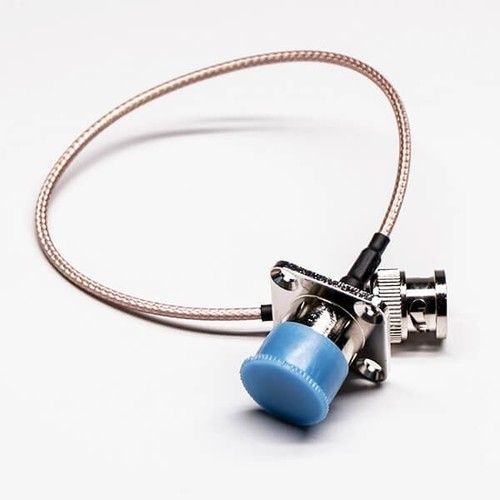
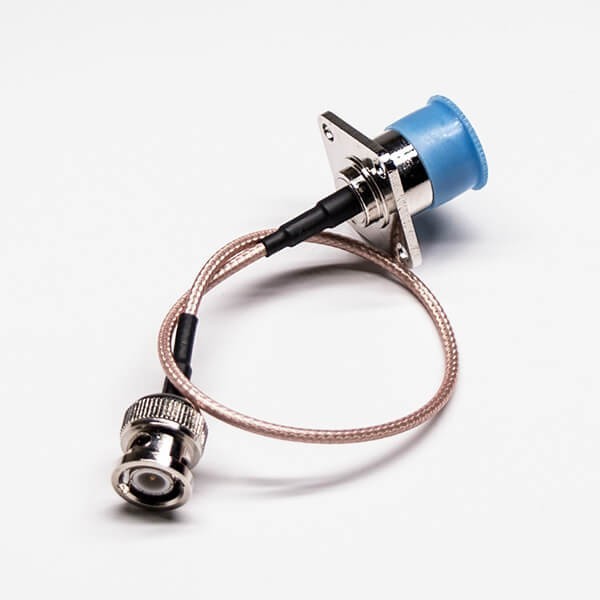
About Types Of Coaxial Cable 4 Holes Flange N Female To BNC Male Cable Assembly
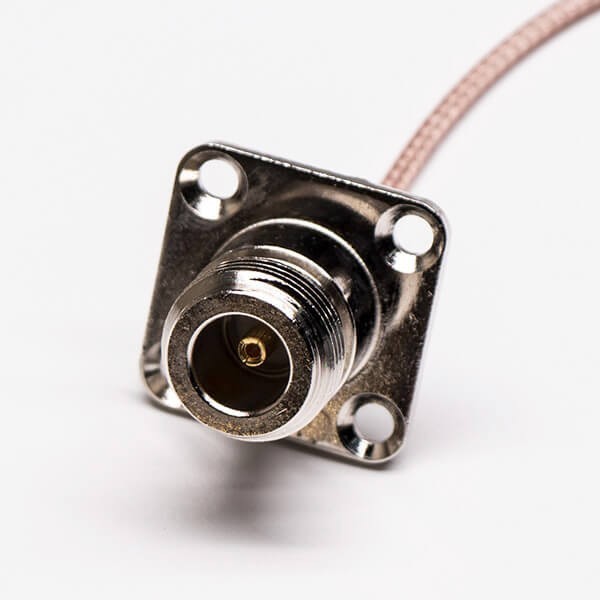
Description:RF Cable,Straight/180,BNC Male,N Female,4 HoleFlange
- RF Cable,Straight/180,BNC Male,N Female,4 Hole Flange;
- Used for Wireless communication and Wireless LAN;
- Application include Mobile Phone, PC, GPS, Network Storage Equipment, Medical, Lighting, Remote Control, etc;
- Pre-assemblied with different RF connectors for choice. Size and cable length can be customized;
- From the OEM Original Factory, same quality with much better price.
Versatile Connector AssemblyThis cable assembly combines the stability of a N Female 4 Holes Flange connector with the convenience of a BNC Male connector. It is tailored for environments requiring reliable RF signal transmission, such as antenna systems, laboratory test benches, or communications infrastructure. Its flange design ensures easy, secure mounting in fixed installations.
Customizable for Every RequirementChoose from standard cable lengths or request a custom assembly to fit your specific installation needs. The selection of RG58, RG174, or a specialized cable type allows for tailored performance across a range of frequencies. Options for insulation, shielding, and jacket material ensure optimal safety and signal clarity for complex setups.
FAQs of Types Of Coaxial Cable 4 Holes Flange N Female To BNC Male Cable Assembly:
Q: How should I install the N Female 4 Holes Flange to BNC Male coaxial cable assembly?
A: Secure the N Female flange connector using its four mounting holes on your panel or equipment. Connect the BNC Male end to your RF device or instrument, ensuring both connectors are firmly attached. Standard cable lengths fit most setups, but custom lengths are available for unique installation requirements.
Q: What applications are ideal for this coaxial cable assembly?
A: This cable assembly is best used in RF communication systems, antenna connectivity projects, and laboratory test setups, where a stable connection between N Female flange and BNC Male interfaces is needed. Its durability and shielding options make it suitable for demanding environments that require minimal signal loss.
Q: When should I choose RG58 versus RG174 or a customized cable type?
A: Choose RG58 for general RF applications with moderate frequency and power needs. Select RG174 when you need a lighter, more flexible cable for tight installations. For unique performance characteristics such as higher frequency or specific shielding, opt for a customized cable specification based on your projects requirements.
Q: Where can this cable assembly be sourced and are there export options available?
A: The cable assembly is available from manufacturers, exporters, suppliers, and wholesalers in India. Export options are offered for international customers, with customization available to meet different market and regulatory requirements.
Q: What benefits does the braided copper or aluminum shield provide?
A: Braided copper or aluminum shielding helps minimize electromagnetic interference and signal degradation, ensuring reliable RF performance in noisy environments. Choose the shielding material that best matches your applications requirements for signal integrity and environmental exposure.
Q: How does the UL94V-0 flammability rating affect cable safety?
A: Cables with a UL94V-0 flammability rating offer enhanced fire resistance, particularly if LSZH or FR PVC jackets are used. This ensures safer operation in installations where fire safety standards are critical, such as public buildings or sensitive laboratory setups.





 Send Inquiry
 Get Latest Price

